
When it comes to engaging with stakeholders, the phrase “build it and they will come” should be changed to “come and learn what to build.” How else will you know what your stakeholders need?
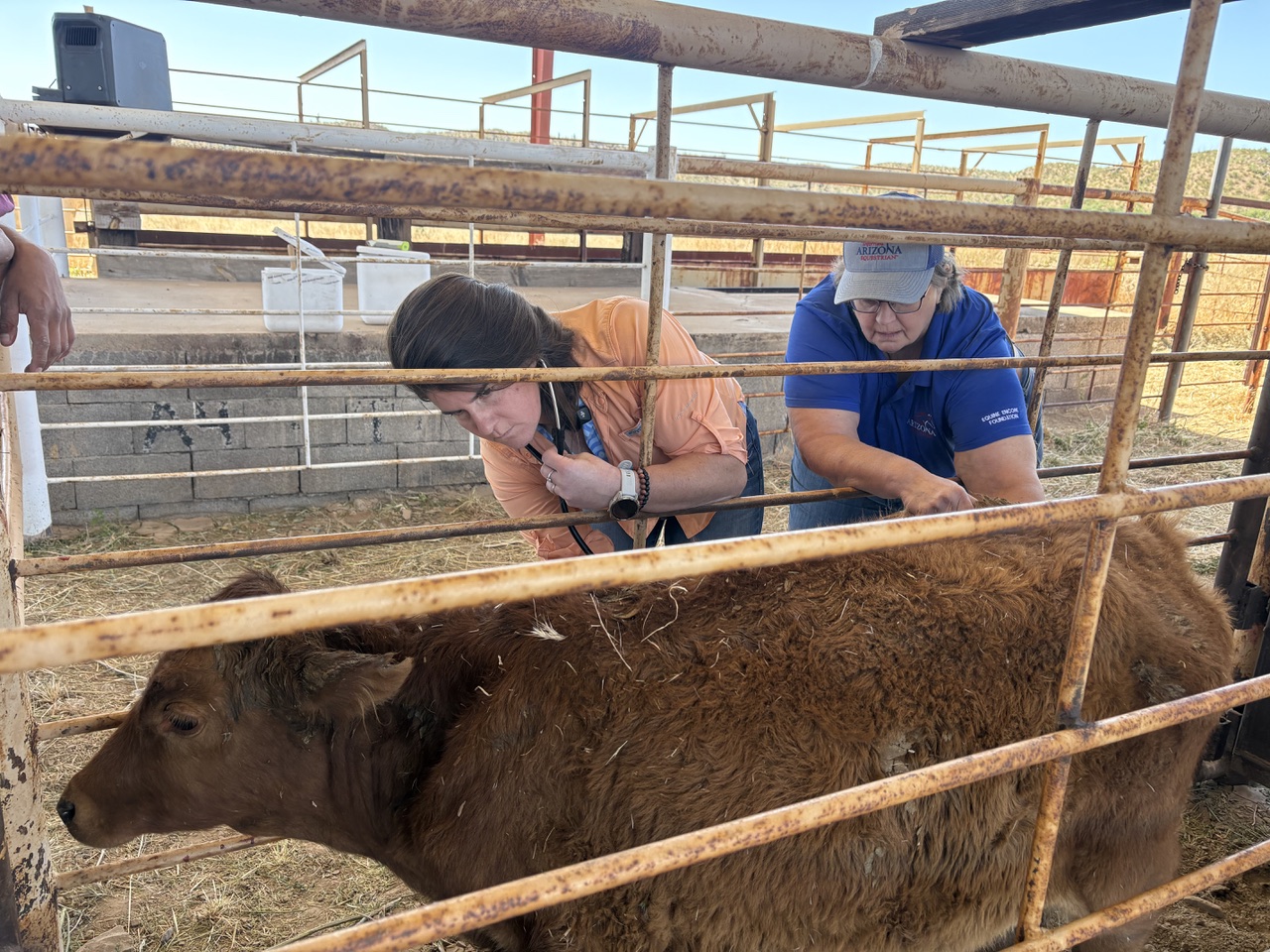
Lucy Li, an entomologist at the University of Arizona, and her collaborators come and learn, teaching tribal members integrated pest management based on training needs the tribes have identified. Most recently, that has meant teaching ranchers how to protect cattle from New World screwworm.
“Many tribal members own livestock or other animals like horses,” Li said, “Many of them are in rural areas, so it’s challenging for them to get updated information. There are also some language barriers. Many ranchers are elderly and speak their indigenous language.”
New World screwworm makes it even more critical for information to reach ranchers. This past June, this pest entered the United States from Mexico for the first time since its eradication in the 1960s. The larvae of this fly burrow into wounds on cattle and other mammals and feed on living flesh, keeping wounds open and causing damage or even death in severe cases. At the time of this publication, new world screwworm hasn’t been detected in Arizona.
Working Together
Tribal stakeholders asked Li and her team for the New World screwworm preparedness trainings. Like Li’s previous trainings, each agenda for these trainings is different to match what each tribe wants to learn. If asked, Li and her collaborators also cover other topics in integrated pest management, like household pests or food safety.
“It’s never us going there to tell them, ‘Okay, this is what you need to learn,’” Li said, “We work with our stakeholders from day one to fit with their needs and priorities. That’s why we have great participation at our workshops, because these workshops address their concerns.”
If an in-person training isn’t an option, Li and her team give virtual presentations, or they attend other meetings and distribute resources in English and indigenous languages.
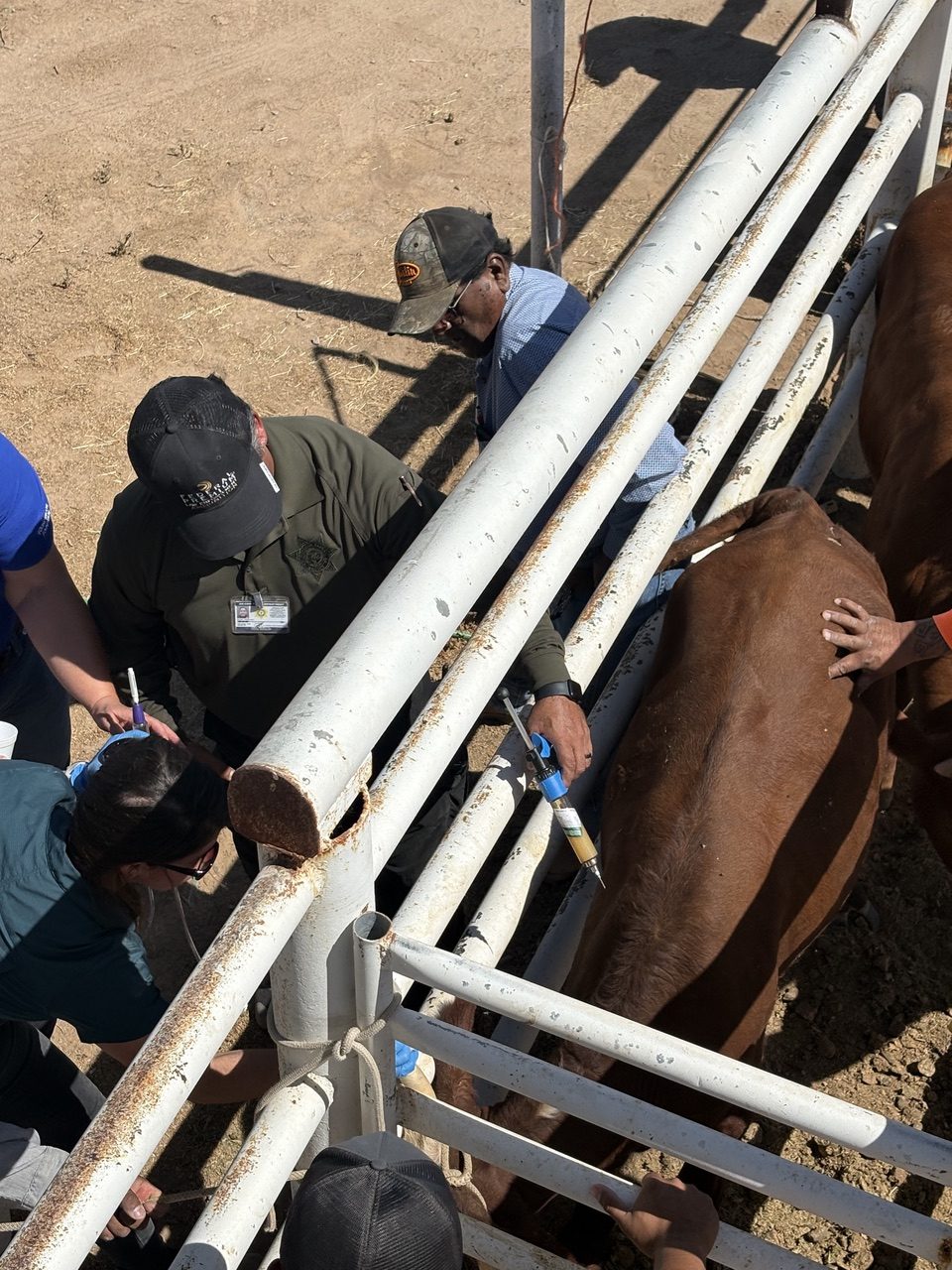
One reason they can cover so many topics is the multiple partners involved in their programming. Their hands-on cattle demonstrations are a collaboration between the Arizona Pest Management Center Public Health IPM team, which Li coordinates, and the University of Arizona Tribal Livestock/Horse Extension Team, which provide veterinary expertise. Li recruits University of Arizona faculty and other experts to speak at trainings. Tribal Extension agents help get New World screwworm information to tribes. The Arizona Livestock Incident Response Team also provides New World screwworm collection kits that Li’s team distributes to ranchers.
Practical Preparations
The hands-on trainings, which are funded by the Western IPM Center, cover topics like branding, injury prevention and treatment, vaccinations and deworming. Branding creates a wound that the larvae can infest, and freeze branding with liquid nitrogen can cause less damage than branding with a hot iron. Ranchers are also taught to schedule branding and other procedures that cause wounds for times when conditions are less favorable for New World screwworm, like when it’s over 100 degrees in summer in Arizona.
There have been many signs of success. Training participants have reported increases in knowledge. Tribes have asked Li and her team to give additional trainings in the future. Tribal stakeholders, more aware of this pest, have used the collection kits to submit samples to the Arizona Veterinary Diagnostic Laboratory. (None of the samples have been New World screwworm. Many have been secondary screwworm, which is already in Arizona and doesn’t eat the living tissue of mammals like New World screwworm does.)
With the re-opening of the U.S.-Mexico border to cattle at Douglas, Arizona, the state’s ranchers will continue to need resources focused on New World screwworm. And Li and her team will continue listening and responding to what the tribes need.
“We have to get our ranchers, homeowners and animal owners ready,” Li said, “Be proactive, be vigilant, act promptly, and work together: that’s our motto. It’s everybody’s job to hopefully eradicate this pest again.”