

Grazing Guidelines for Noxious Weed Control
Researchers, ranchers, and land managers know that livestock grazing can be a valuable and selective noxious-weed management tool, and this guide summarizes all the effective techniques.

IPM Adoption is Widespread in the West
Many integrated pest management practices are so widely adopted in Western agriculture they have become conventional pest management. That is one of the key findings of a new report by the Western Integrated Pest Management Center titled Adoption and Impacts of Integrated Pest Management in Agriculture in the Western United States.

Identify Herbicide Damage to Crops and Ornamental Plants
Identifying nontarget crop and ornamental plant damage from herbicides has become much easier, with the launch of a new online photo repository by the University of California Statewide IPM Program.
Small Farms IPM Group Finds Invaders, Opportunities and Challenges
Bringing IPM information to small-scale farmers is a significant challenge, but one that has many potential benefits – including expanded opportunities to spot invasive pests and diseases.
Colorado Battling Emerald Ash Borer with Coordination and Cooperation
In Boulder, Colorado, Assistant Forester Kendra Nash was marking a dead tree for removal, when her spray-painted “X” crossed a D-shaped exit hole characteristic of the insect. The September 2013 discovery was the first in Colorado of the invasive beetle that’s killed tens of millions of trees since first being detected in Michigan in 2002. Here’s what’s happened since.
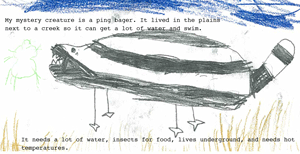
IPM Curriculum for Elementary Students Creates InPESTigators
How do you get teachers interested in integrated pest management? Turn IPM into a science curriculum they can use in their classrooms.
Early Detection Combats Weed Invaders
Managing invasive weeds is a lot like planning a military defense. It’s easier to defeat a small number of invaders than a large army. It’s easier to respond to a limited incursion than fight a multi-front battle. And having an early warning system can make all the difference. In the fight against invasive weeds in Montana, early detection and rapid response is a key strategy for keeping some of the West’s worst weeds from gaining a foothold in the state.

Montana Develops Weed Seedling Guide for the Northern Great Plains
Rapid and accurate identification of weeds at the seedling stage can save producers and land managers time and money but most weed identification guides only provide information about the mature stage of the plants. Not this one.

New Guide Helps Land Managers Control Medusahead
As an ecosystem-transformer species, medusahead is among the worst weeds. Not only does it compete for resources with more desirable species, but it changes ecosystem function to favor its own survival at the expense of the entire ecosystem.
Center-Funded Website Helps Vets Treat Animals for Fleas, Ticks and Other Pests
Whether it’s cattle with face flies or a dog with ticks, vets throughout the West can now easily find the available treatment options in their state thanks to a new website built with Western IPM Center funding.
Citizen Scientists in Alaska Watch for Invasive Species
To expand the number of eyes watching out for exotic and invasive pests, the Alaska IPM Program recruits “Citizen Scientists” to be on the lookout for unusual insects, plants and disease organisms throughout the state.
Boosting Invasive Species Cooperation Using Zebra Chip as a Model
When an invasive species is first detected in an area, the initial response is critical. Like with a cancer, the correct early detection and response can make a big difference in controlling the spread and severity of the outbreak.

Center Funding Helps Develop a Better Way to Control Prionus Beetles
Hop growers in the Northwest – as well as a sweet cherry, apple and other fruit growers around the nation – now have a new mating disruption tool to combat the Prionus beetle and its root-boring larvae, thanks to research funded in part by the Western IPM Center.

Team Helps Combat Decline of Guam Ironwood Trees
In 2002, a local farmer noticed several Guam ironwood trees planted in a single-row windbreak were dying. By 2005, what became known as Ironwood Tree Decline was widespread across the island, with some sites seeing more than half of their ironwoods in distress. Now researchers are beginning to understand why – and reverse the decline.

Death From Above: Encouraging Natural Predators
Native predators like kestrels and barn owls can play a valuable role in controlling pests not only on farms, but also in parks, golf courses and large yards and gardens. While they rarely eliminate a pest problem, they can reduce the need for pesticide use and other pest-control measures.
Helping Native Bees and Other Pollinators Thrive in New Mexico
Gardeners, growers, land managers, school groundskeepers and others in New Mexico now have a few new ways to help honeybees and native wild bees thrive.
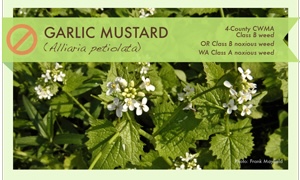
Educating an Urban Public and Land Managers about Invasive Weeds
Having a clear, consistent message and speaking with one voice is helpful when it comes to educating the public about invasive species. Here’s how the area around Portland, Oregon did it.
Using IPM to Battle Bed Bugs in Public Housing
Public housing presents unique pest-management challenges, including rapid turnover of residents, language and cultural barriers and even second-hand clothing and furniture. And those pest problems – especially when bedbugs are involved – can lead residents to resort to some pretty drastic and harmful pest control strategies.

Protecting Kids from Pests and Pesticides by Promoting IPM in Schools
Both pests and pesticides in schools can pose a health risk to children, so promoting IPM practices in schools is doubly important. That’s why the Western IPM Center has been helping Western researchers develop regional resources and promote school IPM.

Pest Management Strategic Plan Leads to Quick Action for Northwest Pears
Controlling pear psylla while also preserving pollinators and other beneficial insects emerged as the key pest-management challenges for growers in Washington and Oregon – and directly led to a “Psylla Summit” to address the challenge.

Pesticide Safety Training for Hawaii’s Farm Sector
Farmworker safety training often comes with language challenges – but few places more so than Hawaii, where the College of Tropical Agriculture and Human Resources at the University of Hawaii recently produced two pesticide-safety training charts in English, Mandarin, Tagalog and Thai.
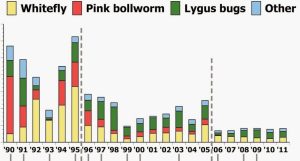
Spray Reductions in Cotton
For the past 15 years, researchers have been tracking pesticide use on cotton fields in the Southwest, and the reductions they’ve documented have been nothing short of remarkable.

Progress against Onion Pests
An update to the Pest Management Strategic Plan for dry bulb storage onions shows progress against thrips and Iris yellow spot virus, but still challenges to overcome.