
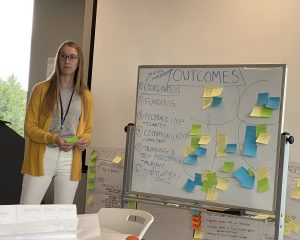
Work Group Aims to Make New Endangered Species Rules Workable
“If it’s so complex that it’s impossible, then no one wins.”
That was the key takeaway from a recent two-day workshop in Vancouver, Washington about implementing new U.S. Environmental Protection Agency pesticide-use rules to protect endangered and threatened species.

Testing “Electric Mulch” for Weed Control
“Electric mulch” uses small solar panels to charge stainless steel screens with a low-power electric current to prevent weed growth in vineyards, orchards or other high-value crops like blueberries. In early tests in New Mexico, it’s working.
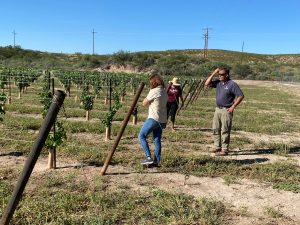
Planting Cover Crops in Vineyards for IPM and Soil-Health Benefits
Reasons to like wine Number 462: It can be good for New Mexico’s native bees and other pollinators. Even though grapevines are largely self pollinating and don’t need insects like bees or butterflies to produce fruit, vineyards themselves can provide habitat for native pollinators and other insect species, benefitting both the grower and the environment.

Group Educates Health Care Providers about Pesticide-Related Illnesses
Pesticide Educational Resources Collaborative-Medical produces educational materials and resources on pesticides, specifically targeting health care providers so they can recognize, treat and report pesticide-related illnesses.
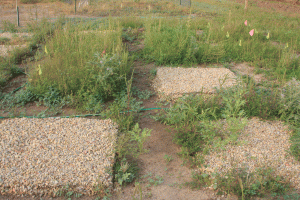
Electric Weed Control Shows Promise
Start with a heaping helping of weeds in an orchard owned by an electrical engineer, then add in a weed scientist and a dash of Western IPM Center funding. What you get is electric weed control – a promising (dare we say shocking?) new way to control weeds in certain landscapes.

IPM Experience is Helping Schools Plan for Reopening Amid COVID Concerns
As students return to classrooms in the fall of 2020, coronavirus is very much on people’s minds. In the West, having an IPM program in place seems to be helping schools plan for reopening.

Looking for Answers as Kochia Rolls Across the West
Kochia is a tumbling weed plaguing growers and ranchers from Central Canada to West Texas. “It’s salt tolerant, heat tolerant, cold tolerant,” said Kent Davis, a crop consultant with Crop Quest in Colorado. “I want to kill the damn stuff, there’s no question about it, but you have to admire it at the same time.”

Feral Swine Wreak Havoc
As pests go, wild pigs are huge – and hugely effective.

Bed Bug Website and Work Group Share Knowledge and Resources
Through a website or workshop, the members of the Western IPM Bed Bug Work Group can teach you everything you ever wanted to know about bed bugs – and then some.

Eco-Label Programs Promote IPM, but Aren’t Perfect
Eco-label programs have clear benefits and promote more sustainable pest-management and growing practices. They also provide certain benefits for growers but have downsides as well. Significant differences between the programs can make judging eco labels challenging for consumers, and with dozens of similar yet competing certification programs and standards, chaos is likely for the foreseeable future.

Decoding Chemical Communications to Control Insects
University of California, Riverside chemical ecologist Jocelyn Millar identifies the chemical signals insects use to communicate, then synthesizes versions of them to help monitor, trap or disrupt their activities. Lygus bug is just one of dozens of species Millar and his team are working on. The common thread is that they all communicate chemically, and decoding those chemical signals can create new ways to control those species where they are pests.

New Mexico in Photos: Loving the Land of Enchantment
In New Mexico, the chile pepper is king. Hay is grown on 40 times the acreage and pecans rack up nearly 4.5 times the farm sales, but you don’t see either of those crops on the “Welcome to New Mexico” signs as you drive into the state. You see red and green chile peppers. Chile isn’t a crop, it’s culture. Like Florida citrus and Idaho potatoes, New Mexico’s identity is tied to a crop.

VIDEO: Where to Get Good Gardening Advice
In this video, Ariel Agenbroad from University of Idaho offers great tips for home gardeners about where to get good pest-management advice.

VIDEO: Urban Farm Pest Pressures and Solutions
Learn about the pest pressures faced by urban farmers — and how integrated pest management provides economical solutions — with Ariel Agenbroad, Local Food & Farms Advisor with University of Idaho Extension.

Hill-Climbing Cows May Bring Big Benefits to Western Rangeland and Ranchers
Conventional wisdom says cows don’t go up steep slopes. They don’t climb hills and don’t travel very far from water. But some cows never got that memo, and researchers are looking into whether naturally hill-climbing cows can provide production and environmental benefits in the rugged West.
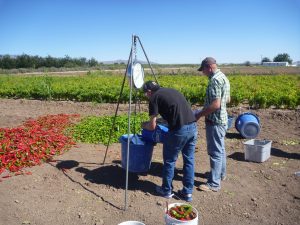
Can an Economic Model Show Growers the Importance of Reducing the Weed Seed Bank?
How important is it to keep weed seeds out of vegetable fields? Mexico State University’s Brian Schutte recently looked at that very question. Funded by the Western IPM Center, Schutte studied one particular weed, tall morning glory, in Southwest chile pepper fields, and developed an economic model growers can use to see for themselves how managing the weed seed bank can help their operations.

School IPM Protects Kids from Pests and Pesticides
Both pests and pesticides are potentially harmful for kids and adults in schools. Common schools pests like the German cockroach or mice can carry disease and cause allergic responses. And children can be more at risk for harm from sprayed pesticides because of their behavior – playing on the floor or in grassy fields, for instance – and because of their developing physiology.

Grazing Guidelines for Noxious Weed Control
Researchers, ranchers, and land managers know that livestock grazing can be a valuable and selective noxious-weed management tool, and this guide summarizes all the effective techniques.
IPM Adoption is Widespread in the West
Many integrated pest management practices are so widely adopted in Western agriculture they have become conventional pest management. That is one of the key findings of a new report by the Western Integrated Pest Management Center titled Adoption and Impacts of Integrated Pest Management in Agriculture in the Western United States.
Small Farms IPM Group Finds Invaders, Opportunities and Challenges
Bringing IPM information to small-scale farmers is a significant challenge, but one that has many potential benefits – including expanded opportunities to spot invasive pests and diseases.
Center-Funded Website Helps Vets Treat Animals for Fleas, Ticks and Other Pests
Whether it’s cattle with face flies or a dog with ticks, vets throughout the West can now easily find the available treatment options in their state thanks to a new website built with Western IPM Center funding.
Boosting Invasive Species Cooperation Using Zebra Chip as a Model
When an invasive species is first detected in an area, the initial response is critical. Like with a cancer, the correct early detection and response can make a big difference in controlling the spread and severity of the outbreak.
Helping Native Bees and Other Pollinators Thrive in New Mexico
Gardeners, growers, land managers, school groundskeepers and others in New Mexico now have a few new ways to help honeybees and native wild bees thrive.

Progress against Onion Pests
An update to the Pest Management Strategic Plan for dry bulb storage onions shows progress against thrips and Iris yellow spot virus, but still challenges to overcome.