
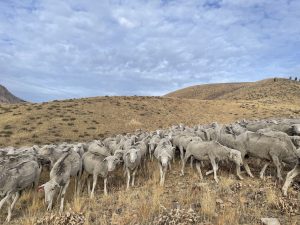
Research Examines Barriers to Grazing for National Forest Management
Targeted grazing – using livestock to intentionally manage vegetation – can excel at treating large patches of edible invasive plants and can also create fuel breaks to reduce wildfire risk. So why don’t U.S. Forest Service staff use it more often to manage national forests? That’s the question Briana Swette, a postdoctoral fellow working with Dr. Kelly Hopping at Boise State University, wanted to answer.
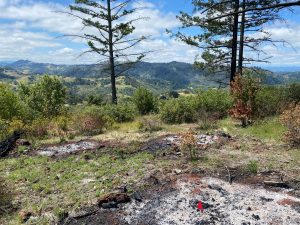
Exploring a Fiery Method for Replacing Invasive Grasses
In California and throughout the West, land managers face huge challenges on huge acreage. Threats include invasive annual grasses, drier summers and changing fire regimes. To combat this combined threat, UC Davis researchers are testing a burn-and-replant method as a combined solution.
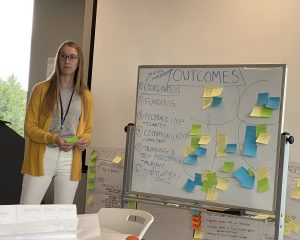
Work Group Aims to Make New Endangered Species Rules Workable
“If it’s so complex that it’s impossible, then no one wins.”
That was the key takeaway from a recent two-day workshop in Vancouver, Washington about implementing new U.S. Environmental Protection Agency pesticide-use rules to protect endangered and threatened species.

Managing Correctional Facility Mosquitoes Now, Acquiring Skills for Later
There have always been mosquitoes in the wetlands northwest of Salt Lake City, Utah, but few human until the opening of the Utah State Correctional Facility brought more than 4,000 new warm bodies to the area for the mosquitoes to feed on. Now, with Western IPM Center support, efforts are under way to control the mosquitoes and train inmates for jobs in vector control.
VIDEO: Managing Invasive Species in Arches National Park
National Park Service crews use classic integrated pest management processes to manage unwanted invasive species in Utah’s Arches National Park and other nearby national parks and monuments.

Managing Invasive Species in Arches National Park Means Using IPM
Most people driving through Arches National Park in southeast Utah look up, marveling at the unique rock formations that give the park its name. Kelli Quinn looks down.
Quinn is a National Park Service team lead for the vegetation and ecological restoration program at Arches and three nearby national parks and monuments and it’s her job to keep the native, natural landscape as native and natural as possible. She and her colleagues use integrated pest management techniques to do that.

VIDEO: Moab Mosquito Outreach and Citizen Science Project
Moab, Utah is known as one the nation’s premier outdoor destinations, drawing millions of visitors each year to bike on its famed slickrock trails, hike through its painted canyons or 4×4 across its rugged desert. What Moab is not known for – and folks want to keep it that way – is mosquitoes.

Moab Mosquito Project Engages Residents and Visitors
Moab, Utah is known as one the nation’s premier outdoor destinations, drawing millions of visitors each year to bike on its famed slickrock trails, hike through its painted canyons or 4×4 across its rugged desert.
What Moab is not known for – and the community wants to keep it that way – is mosquitoes.

Group Educates Health Care Providers about Pesticide-Related Illnesses
Pesticide Educational Resources Collaborative-Medical produces educational materials and resources on pesticides, specifically targeting health care providers so they can recognize, treat and report pesticide-related illnesses.

Evaluating Chaff Lining for Weed Control in Dryland Crops
For weed scientists and growers, Western Australia is a cautionary tale. Herbicides failed, resistant weeds spread unchecked and non-chemical control methods had to be developed on the fly to keep the grain industry in business. As herbicide-resistant weeds spread in the United States, researchers are trying to adapt some of the lessons learned in Australia here at home, including harvest weed-seed control, before the situation gets as dire.
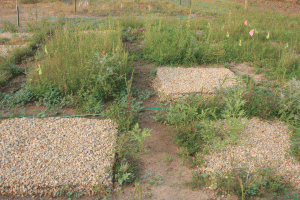
Electric Weed Control Shows Promise
Start with a heaping helping of weeds in an orchard owned by an electrical engineer, then add in a weed scientist and a dash of Western IPM Center funding. What you get is electric weed control – a promising (dare we say shocking?) new way to control weeds in certain landscapes.

IPM Experience is Helping Schools Plan for Reopening Amid COVID Concerns
As students return to classrooms in the fall of 2020, coronavirus is very much on people’s minds. In the West, having an IPM program in place seems to be helping schools plan for reopening.

Looking for Answers as Kochia Rolls Across the West
Kochia is a tumbling weed plaguing growers and ranchers from Central Canada to West Texas. “It’s salt tolerant, heat tolerant, cold tolerant,” said Kent Davis, a crop consultant with Crop Quest in Colorado. “I want to kill the damn stuff, there’s no question about it, but you have to admire it at the same time.”

Feral Swine Wreak Havoc
As pests go, wild pigs are huge – and hugely effective.

Bed Bug Website and Work Group Share Knowledge and Resources
Through a website or workshop, the members of the Western IPM Bed Bug Work Group can teach you everything you ever wanted to know about bed bugs – and then some.

Eco-Label Programs Promote IPM, but Aren’t Perfect
Eco-label programs have clear benefits and promote more sustainable pest-management and growing practices. They also provide certain benefits for growers but have downsides as well. Significant differences between the programs can make judging eco labels challenging for consumers, and with dozens of similar yet competing certification programs and standards, chaos is likely for the foreseeable future.

Decoding Chemical Communications to Control Insects
University of California, Riverside chemical ecologist Jocelyn Millar identifies the chemical signals insects use to communicate, then synthesizes versions of them to help monitor, trap or disrupt their activities. Lygus bug is just one of dozens of species Millar and his team are working on. The common thread is that they all communicate chemically, and decoding those chemical signals can create new ways to control those species where they are pests.
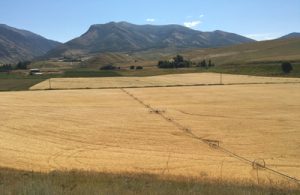
Utah in Photos: Managing Pests in a Unique State
Utah is one of the most urbanized states in the nation, with 90 percent of the population living on just 1.1 percent of the land. It’s also the second driest state, averaging less than 10 inches of rainfall a year, and has alkaline soils with low organic matter. It’s a challenging environment to farm in. Keeping invasive pests out of Utah – and minimizing the damage they cause once they arrive – is a major focus.

VIDEO: Where to Get Good Gardening Advice
In this video, Ariel Agenbroad from University of Idaho offers great tips for home gardeners about where to get good pest-management advice.

VIDEO: Urban Farm Pest Pressures and Solutions
Learn about the pest pressures faced by urban farmers — and how integrated pest management provides economical solutions — with Ariel Agenbroad, Local Food & Farms Advisor with University of Idaho Extension.

Hill-Climbing Cows May Bring Big Benefits to Western Rangeland and Ranchers
Conventional wisdom says cows don’t go up steep slopes. They don’t climb hills and don’t travel very far from water. But some cows never got that memo, and researchers are looking into whether naturally hill-climbing cows can provide production and environmental benefits in the rugged West.

School IPM Protects Kids from Pests and Pesticides
Both pests and pesticides are potentially harmful for kids and adults in schools. Common schools pests like the German cockroach or mice can carry disease and cause allergic responses. And children can be more at risk for harm from sprayed pesticides because of their behavior – playing on the floor or in grassy fields, for instance – and because of their developing physiology.

Grazing Guidelines for Noxious Weed Control
Researchers, ranchers, and land managers know that livestock grazing can be a valuable and selective noxious-weed management tool, and this guide summarizes all the effective techniques.
IPM Adoption is Widespread in the West
Many integrated pest management practices are so widely adopted in Western agriculture they have become conventional pest management. That is one of the key findings of a new report by the Western Integrated Pest Management Center titled Adoption and Impacts of Integrated Pest Management in Agriculture in the Western United States.
Small Farms IPM Group Finds Invaders, Opportunities and Challenges
Bringing IPM information to small-scale farmers is a significant challenge, but one that has many potential benefits – including expanded opportunities to spot invasive pests and diseases.

New Guide Helps Land Managers Control Medusahead
As an ecosystem-transformer species, medusahead is among the worst weeds. Not only does it compete for resources with more desirable species, but it changes ecosystem function to favor its own survival at the expense of the entire ecosystem.

Center Funding Helps Develop a Better Way to Control Prionus Beetles
Hop growers in the Northwest – as well as a sweet cherry, apple and other fruit growers around the nation – now have a new mating disruption tool to combat the Prionus beetle and its root-boring larvae, thanks to research funded in part by the Western IPM Center.

Death From Above: Encouraging Natural Predators
Native predators like kestrels and barn owls can play a valuable role in controlling pests not only on farms, but also in parks, golf courses and large yards and gardens. While they rarely eliminate a pest problem, they can reduce the need for pesticide use and other pest-control measures.

Protecting Kids from Pests and Pesticides by Promoting IPM in Schools
Both pests and pesticides in schools can pose a health risk to children, so promoting IPM practices in schools is doubly important. That’s why the Western IPM Center has been helping Western researchers develop regional resources and promote school IPM.

Progress against Onion Pests
An update to the Pest Management Strategic Plan for dry bulb storage onions shows progress against thrips and Iris yellow spot virus, but still challenges to overcome.