
Detecting a Hidden Weed with Drones
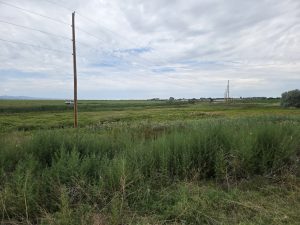
Just like the early bird gets the worm, early detection is often what gets the weed. But hairy willow-herb can be difficult to find. After finding that mature plants were easily visible by drone, Jake Courkamp, a rangeland weed ecologist at Colorado State University, and collaborators are testing if drones can find earlier life stages of this weed.

Research Aims to Improve Control of Ascochyta Blight in Chickpea
Montana chickpea growers – who produce a third of the U.S. chickpea crop – face a serious foliar crop disease known as Ascochyta blight. It’s caused by a poorly understood pathogen that requires growers to make multiple fungicide applications each season. It’s a recipe for fungicide resistance development. What growers need to know is what conditions lead to spore dispersal, when growers should make the first fungicide application, and how often they will need to make repeated applications of different fungicides to effectively manage the disease.

Washington Scientists Work to Protect Oysters from Burrowing Shrimp
For the past century, a silent war has waged in the tidal mudflats of Washington’s Willapa Bay. The combatants: native burrowing shrimp versus farmed Pacific oysters. Right now, the shrimp have the upper hand, but the oysters’ allies have been testing new weapons, hoping to turn the tide. One of those weapons? Sodium bicarbonate – the baking soda sitting on an upper shelf in many kitchen cupboards.
Research Examines Barriers to Grazing for National Forest Management
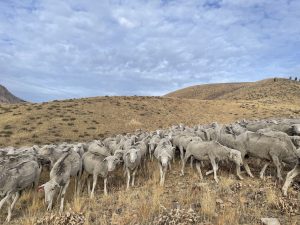
Targeted grazing – using livestock to intentionally manage vegetation – can excel at treating large patches of edible invasive plants and can also create fuel breaks to reduce wildfire risk. So why don’t U.S. Forest Service staff use it more often to manage national forests? That’s the question Briana Swette, a postdoctoral fellow working with Dr. Kelly Hopping at Boise State University, wanted to answer.

Connecting Wyoming and Hawaii with Agricultural Domes
At first glance, agriculture in Wyoming and agriculture on Hawaii or Guam don’t have much in common. But growers in both the tropical Pacific and the northern prairie can benefit from enclosed production spaces – structures like hoop houses, high tunnels or geodesic domes – which is why Wyoming-developed domes will soon be popping up in the islands.

Research Aims to Build an Integrated Management Plan for Organic Cotton
Comparing the pest-management power of conventionally grown cotton and organically grown cotton is like pitting the New York Yankees against local Little Leaguers. Yet with 20,000 acres of organically certified land in Arizona growing vegetable and field crops, organic cotton could be an important, and profitable, rotation crop.

Wyoming Develops an IPM Program to Combat Insecticide Resistance in Alfalfa Weevil
It’s a simple fact of pest management: overuse any one control technique and the pest will eventually develop resistance to it. It’s exactly what happened with the alfalfa weevil in Wyoming, and why University of Wyoming researchers are developing a farm-scale IPM program to combat it.
Wyoming Imagines a Future with Invasive Annual Grasses Under Control
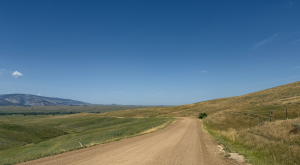
In science fiction, the silent-invasion plot is well worn. An alien species slowly takes over its target land, stealthily replacing the native population until the invasion is complete. In the movies, a plucky band of scientists and citizens grow wise to the threat and fight back, but it’s often too late. It’s not science fiction when it’s actually happening, as it is Wyoming. The invaders there are invasive annual grasses like cheatgrass, medusahead and ventenata – but the scientists and citizens are fighting back.

Tracking Ticks and Enhancing Awareness in Teton County, Wyoming
The Teton County Weed and Pest District was the first in Wyoming to launch a program to collect and test ticks for pathogens. Their findings are surprising some who believed Wyoming didn’t have any ticks.
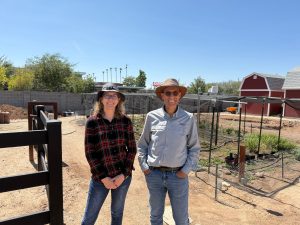
Building Urban Agriculture in Arizona
When supply chains collapsed and grocery shelves sat empty in the first years of the COVID pandemic, many people got interested in growing their own food. Most of those only had access to small plots, not dozens or hundreds of acres of land. So in 2022, the Center for Urban Smart Agriculture was launched at the University of Arizona to serve urban farmers throughout the state and build that sector of Arizona’s agricultural economy.
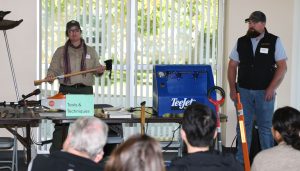
Plant Risk Evaluator Tool Helps Identify Potentially Problematic Plants
The easiest pest to manage is the one that’s not there. That’s why prevention and avoidance are first two principles of integrated pest management’s “PAMS Approach,” with monitoring and suppression following behind. It’s also the rationale behind the Plant Risk Evaluator Tool, an online database to evaluate the potential for ornamental and horticultural plants to become invasive weeds in different areas and environments.
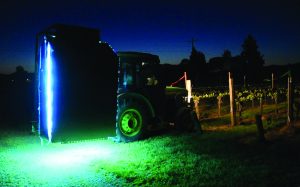
Using UV Light to Kill Powdery Mildew on Grapes
Instead of relying solely on fungicides to control powdery mildew on winegrapes, growers may one day – and one day reasonably soon – have an effective non-chemical option: light. Specifically, light in the form of spore-killing ultraviolet UV-C radiation, delivered directly to the plant by a self-driving tractor moving through vineyard rows autonomously at night.

Promoting IPM in Wenatchee Valley Pear Production
In some pear-growing regions in the Pacific Northwest, IPM is a widely accepted, effective and economical way to manage pear psylla and codling moth, the crop’s key insect pests. In the Wenatchee Valley, however, IPM adoption has been low and the barriers to adoption high. But researchers are working to change that.

Testing the Ecology of Fear in Colorado Chile Pepper Fields
Tiny aphids are causing outsized losses for Colorado growers by transmitting alfalfa mosaic virus to pepper plants. The insects aren’t in the crop long enough for insecticides to be effective, and because the aphids don’t stay in chile fields, neither would the beneficial insects that eat them. So Colorado State University graduate student Lara Amiri-Kazaz is researching something novel: fear.
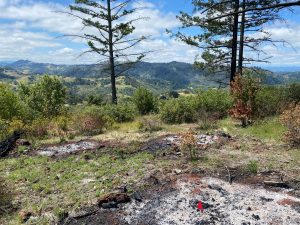
Exploring a Fiery Method for Replacing Invasive Grasses
In California and throughout the West, land managers face huge challenges on huge acreage. Threats include invasive annual grasses, drier summers and changing fire regimes. To combat this combined threat, UC Davis researchers are testing a burn-and-replant method as a combined solution.
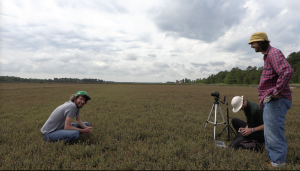
Growers Helping Growers Avoid a Devastating Cranberry Disease
It sounds like an ad for a 1950s drive-in horror movie: Zombie plants emerge from New Jersey bogs! Can experts stop their catastrophic cross-county crawl before it’s too late? But this is not “The Day of the Triffids” meets “Creature from the Black Lagoon.” Instead, it’s the latest Western Integrated Pest Management Center-funded research, a bi-coastal project looking to keep West Coast cranberry farms safe from false blossom disease, an insect-spread pathogen that’s plaguing East Coast cranberry producers.
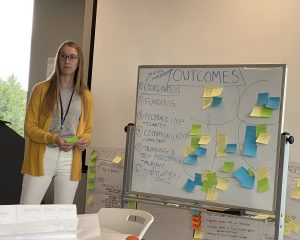
Work Group Aims to Make New Endangered Species Rules Workable
“If it’s so complex that it’s impossible, then no one wins.”
That was the key takeaway from a recent two-day workshop in Vancouver, Washington about implementing new U.S. Environmental Protection Agency pesticide-use rules to protect endangered and threatened species.

Managing Correctional Facility Mosquitoes Now, Acquiring Skills for Later
There have always been mosquitoes in the wetlands northwest of Salt Lake City, Utah, but few human until the opening of the Utah State Correctional Facility brought more than 4,000 new warm bodies to the area for the mosquitoes to feed on. Now, with Western IPM Center support, efforts are under way to control the mosquitoes and train inmates for jobs in vector control.
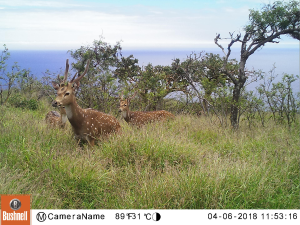
Understanding Hawaii’s Ungulate Issues
Hooved mammals – ungulates in scientific parlance – aren’t native to the archipelago but have been brought to the islands over the past centuries. Now, population explosions of wild pigs, feral sheep and goats, big-horned mouflon sheep and axis and black-tailed deer are altering ecosystems, affecting fisheries, imperiling agriculture and causing economic harm. New research aims to document how much damage those non-native ungulates are doing – the first step in understanding what could or should be done about it.

Oregon Research Improves Residual Toxicity Warnings to Benefit Bees and Growers
It’s the kind of situation that can spiral downhill quickly. Beekeepers providing hives for pollination feel their bees are suffering excessive losses and fear improper insecticide use is to blame. Growers insist they are following label requirements and using necessary insecticides correctly to protect the bees. Both sides believe they are doing everything right, yet the outcomes are all wrong.

Chasing Knotweed on One River: 20 Years of Lessons Learned
Forks, Washington’s sits nestled in North America’s only temperate rainforest. Nearby rivers, fed by melting glaciers high in the Olympic mountains, are home to five species of wild salmon and hundreds of other species of native wildlife. But, like too many other landscapes in too many other places, Forks is threatened by non-native, invasive plants that can fundamentally alter the ecosystem at the expense of the region’s native plants and animals.

Testing “Electric Mulch” for Weed Control
“Electric mulch” uses small solar panels to charge stainless steel screens with a low-power electric current to prevent weed growth in vineyards, orchards or other high-value crops like blueberries. In early tests in New Mexico, it’s working.

Hoping a Tiny Wasp Has a Huge Impact in Controlling Spotted Wing Drosophilia
As South Korean imports go, Ganaspis brasiliensis will never have the popular cachet of pop sensations BTS or TV dramas like Squid Game, but for small fruit growers the tiny wasp might become the biggest superstar of all. That’s because Ganaspis brasiliensis is a parasitic wasp that lays eggs into the larvae of the spotted-wing drosophila fruit fly, an invasive insect that’s been plaguing growers of small fruit and berries since it was accidentally introduced into the mainland United States in 2008.
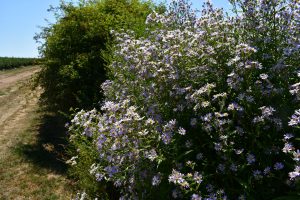
A Humble Hedgerow Serves Pollinators and Beneficial Insects
In an expansive field of organically grown blueberries at Humbug Farms in Independence, Oregon, the most interesting rows aren’t blueberries at all. Instead, they are carefully chosen rows of (mostly) native flowering shrubs that provide food for wild bees and habitat for beneficial insects. Hurray for the humble hedgerow.

Aphids, Irrigation Ditches and Satellites: Biocontrol Research in Nevada
Alfalfa-eating aphids are only about an eighth of an inch long. But the tiny sap-sucking insects are a serious pest for growers, capable of stunting or even killing alfalfa plants. In the field they’re difficult to see from even a few feet away, so the last thing you might think of using for research into biological control of aphids are satellites orbiting 300 miles above Earth. Yet that’s exactly what researchers at the University of Nevada, Reno are indeed using – and they’re seeing things from space you just can’t see from the ground.

Using Giant Hornets’ Chemical Communications Against Them
When the Northern Giant Hornet was discovered in Washington state, state and federal officials mobilized quickly to try to eradicate it. Due to the efforts of that team, which included Dr. Jacqueline Serrano, an expert in detecting, decoding and synthesizing insect chemical signals, no nests or hornets have been found in the state since 2021.
Guam hasn’t been so fortunate. Invaded in 2016 by a different giant hornet, the Great Banded Hornet, the island is in danger of having the invasive, predatory insect become firmly established, which could damage Guam’s apiculture and agricultural industries. So it will be harder to eradicate – but with Western IPM Center funding, Serrano and Christopher Rosaria from the Guam Department of Agriculture’s Biosecurity Division are going to try.

Developing Augmented Biocontrol Recommendations for Tree Fruit Growers
When growers use a pesticide to control insects, they have a lot of information at their fingertips. The product’s label tells them what crops and pests the product can be used for, as well as the rate to apply and any temperature limits to be aware of. Biological control insects, like lacewings, don’t come with such labels.
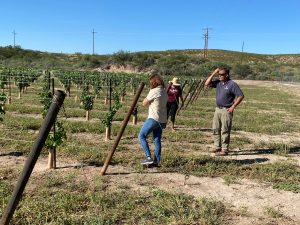
Planting Cover Crops in Vineyards for IPM and Soil-Health Benefits
Reasons to like wine Number 462: It can be good for New Mexico’s native bees and other pollinators. Even though grapevines are largely self pollinating and don’t need insects like bees or butterflies to produce fruit, vineyards themselves can provide habitat for native pollinators and other insect species, benefitting both the grower and the environment.

Targeted Grazing Can Reduce Communities’ Vulnerability to Wildfire
With the West in a state of permanent drought and under constant threat of wildfires, it’s more important than ever for land managers to control undesirable vegetation. For fire-prone communities scattered throughout the West’s tinder-dry hills and woods, it can be a matter of life and death. One tool that can help manage vegetation is grazing.

VIDEO: Managing Invasive Species in Arches National Park
National Park Service crews use classic integrated pest management processes to manage unwanted invasive species in Utah’s Arches National Park and other nearby national parks and monuments.

Managing Invasive Species in Arches National Park Means Using IPM
Most people driving through Arches National Park in southeast Utah look up, marveling at the unique rock formations that give the park its name. Kelli Quinn looks down.
Quinn is a National Park Service team lead for the vegetation and ecological restoration program at Arches and three nearby national parks and monuments and it’s her job to keep the native, natural landscape as native and natural as possible. She and her colleagues use integrated pest management techniques to do that.

VIDEO: Moab Mosquito Outreach and Citizen Science Project
Moab, Utah is known as one the nation’s premier outdoor destinations, drawing millions of visitors each year to bike on its famed slickrock trails, hike through its painted canyons or 4×4 across its rugged desert. What Moab is not known for – and folks want to keep it that way – is mosquitoes.
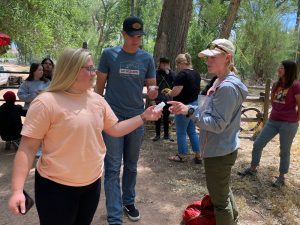
Moab Mosquito Project Engages Residents and Visitors
Moab, Utah is known as one the nation’s premier outdoor destinations, drawing millions of visitors each year to bike on its famed slickrock trails, hike through its painted canyons or 4×4 across its rugged desert.
What Moab is not known for – and the community wants to keep it that way – is mosquitoes.

Group Educates Health Care Providers about Pesticide-Related Illnesses
Pesticide Educational Resources Collaborative-Medical produces educational materials and resources on pesticides, specifically targeting health care providers so they can recognize, treat and report pesticide-related illnesses.

Evaluating Chaff Lining for Weed Control in Dryland Crops
For weed scientists and growers, Western Australia is a cautionary tale. Herbicides failed, resistant weeds spread unchecked and non-chemical control methods had to be developed on the fly to keep the grain industry in business. As herbicide-resistant weeds spread in the United States, researchers are trying to adapt some of the lessons learned in Australia here at home, including harvest weed-seed control, before the situation gets as dire.

Guam Training Focuses on Foliar Fungal Diseases
In farming, as in medicine, an accurate diagnosis is critical. For a doctor to prescribe the correct treatment, they need to know the specific disease causing a patient’s symptoms. The same is true for growers. When they see disease symptoms in a field, they need to know the underlying cause in order to correctly treat their crop.
Recent trainings in Guam helped improve the ability of agricultural professionals and others in the Pacific islands to make those diagnoses.
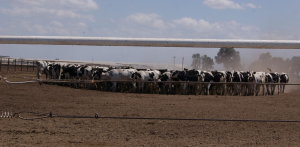
Calculating the Economic Impact of Biting Stable Flies to California Dairies
Biting stable flies cause dairy cows to bunch tightly together in a defensive behavior, stressing the cows and reducing milk production. A multi-disciplinary team in California is measuring the impact and working to develop an IPM program to protect the cows and benefit producers.
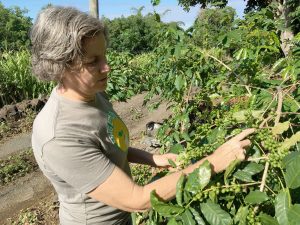
Coffee Leaf Rust Arrives in Hawaii
Coffee leaf rust has come to Hawaii. The damaging fungus was first tentatively identified on coffee plant samples collected on Maui two weeks ago and has also now been reported on the Hilo side of the Big Island. As of November 2, it hadn’t been confirmed in the coffee-growing area around Kona, which sits opposite Hilo on Hawaii.
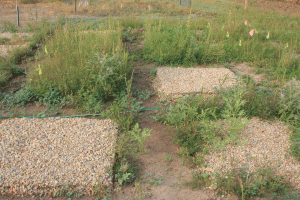
Electric Weed Control Shows Promise
Start with a heaping helping of weeds in an orchard owned by an electrical engineer, then add in a weed scientist and a dash of Western IPM Center funding. What you get is electric weed control – a promising (dare we say shocking?) new way to control weeds in certain landscapes.

IPM Experience is Helping Schools Plan for Reopening Amid COVID Concerns
As students return to classrooms in the fall of 2020, coronavirus is very much on people’s minds. In the West, having an IPM program in place seems to be helping schools plan for reopening.

Looking for Answers as Kochia Rolls Across the West
Kochia is a tumbling weed plaguing growers and ranchers from Central Canada to West Texas. “It’s salt tolerant, heat tolerant, cold tolerant,” said Kent Davis, a crop consultant with Crop Quest in Colorado. “I want to kill the damn stuff, there’s no question about it, but you have to admire it at the same time.”
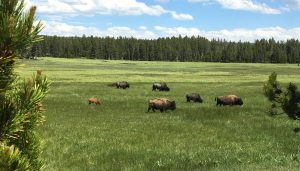
IPM in Yellowstone
The thing that makes integrated pest management so powerful is that it can be adapted to manage pests in any environment – even an environment as unique as Yellowstone National Park and a pest as big as a 900-pound bull elk.

Building a Sweet Niche for Hawaiian Cacao
On Hawaii, a dedicated group of cacao growers, processors and researchers are building a cacao industry aimed at producing distinctive, high-quality cacao, the raw ingredient the world’s top chocolatiers seek to craft their best bars. Keeping pests off the islands is a necessary part of that plan.
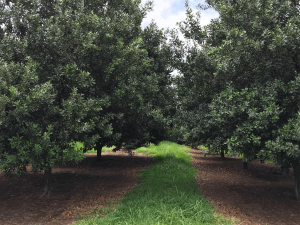
IPM Protects Macadamia Nut Production on Hawaii
Macadamia nuts are an identity crop for Hawaii, like chile in New Mexico or potatoes in Idaho. Macadamia orchards cover some 18,000 acres on Hawaii and generate $53 million annually. But since the arrival of the macadamia felted coccid in 2005, maintaining that production and profitability has become more difficult. Now IPM is showing growers how to manage the tiny scale insect before it causes branch dieback and kills trees.

IPM Keeps Hawaii’s Coffee Industry Brewing
In 2010, the coffee berry borer threatened Hawaii’s coffee industry. An IPM program that promotes end-of-season sanitation was developed by growers and researchers and has kept the industry thriving.
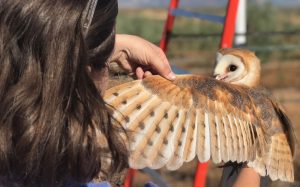
Helping Barn Owls Help Farmers
Barn owls are big, beautiful biocontrol.
“Barn owls are rodent-killing machines,” said Sara Kross, an assistant professor in environmental studies at Sacramento State University. “They are natural predators of gophers and voles which can be really horrible pests for agriculture.”

IPM in Montana
Montana is known as “The Last Best Place.” An outdoor paradise, and home to wheat, barley and pulse crop production, Montana actively promotes integrated pest management to protect its agriculture and natural areas.

VIDEO: Studying the Ecological Impacts of Firebreaks
During wildfires, crew use bulldozers to cut firebreaks to remove vegetation and prevent the fire from spreading. It’s effective firefighting, but those bulldozer lines can have lasting impacts on the recovery of vegetation afterward. This video examines new research that is measuring those impacts and developing mitigations.

Preparing for Zika in Arizona
During a 2016 outbreak of the Zika virus in Florida, it took repeated aerial pesticide sprays to kill the mosquitoes spreading the disease. Arizona has the kind of mosquito that can transmit Zika, but doesn’t allow the kind of aerial spraying Florida needed to stop the disease’s spread. And that raises a serious public-health question: If an outbreak of Zika occurred, could Arizona stop it?

The Impact of Firebreaks in Southern California Sage Lands
During wildfires, crew use bulldozers to cut firebreaks to remove vegetation and prevent the fire from spreading. It’s effective firefighting, but those bulldozer lines can have lasting impacts on the recovery of vegetation afterward. New research is measuring those impacts and developing mitigations.